
Growing Possibilities Blog

Blog

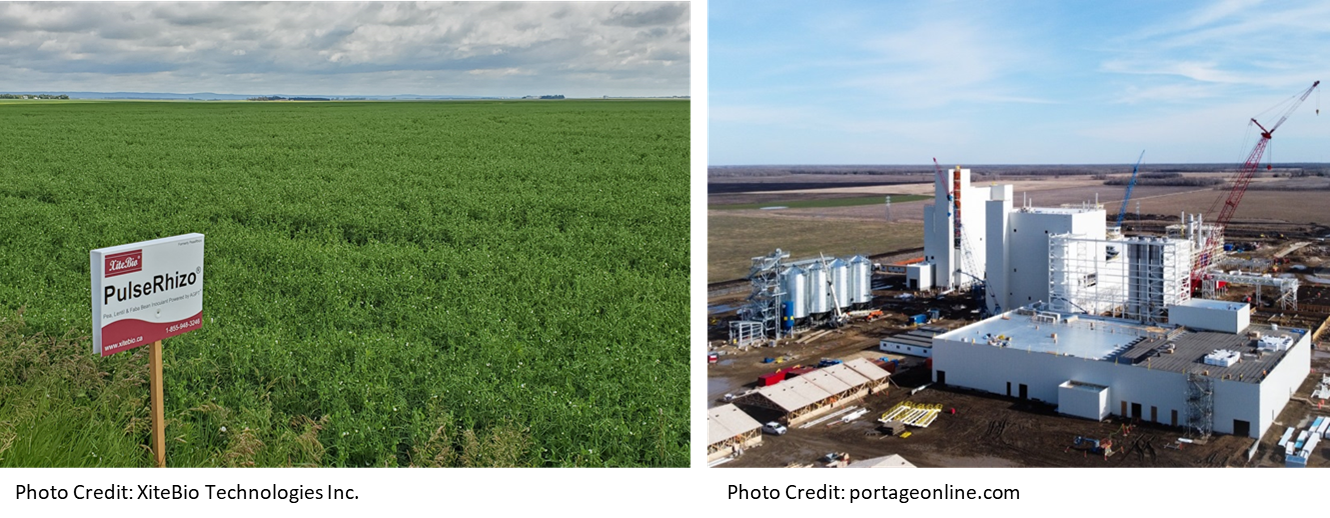
How to Get the Most Out of Your Pulse Inoculant

Snow is beginning to fall across a lot of the Canadian prairies and with harvest 2020 mostly in the books it is a good time of year to begin thinking about your fertility plans for the upcoming season. Inoculants are a major part of any pulse grower’s fertility plan and with pulse acres on the […]

Read More
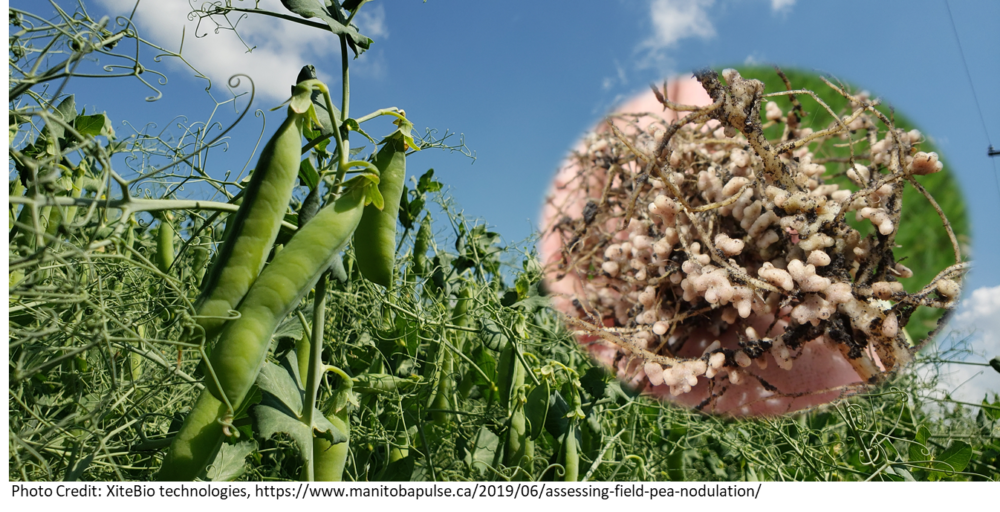
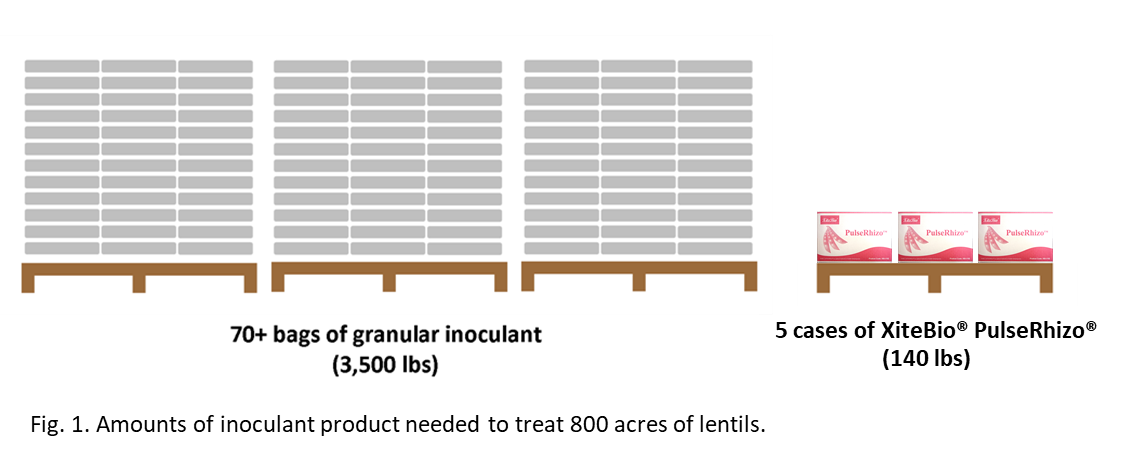
Liquid vs Granular Inoculant: What’s the Difference?

Inoculating crops with beneficial bacteria is nothing new and has been a common practice for decades. Between peat powder to granular to liquid formulations, there are a lot of options to choose from. So how is liquid inoculant different than granular inoculant? And why should you choose one over the other? In this week’s edition […]

Read More

What Do Big Yields Mean for Soil Fertility?

Harvest is wrapping up across the country, with crops in many provinces looking good. Of course, we all want the highest yielding crop possible, but what effects do high yields have on your soil fertility? And how can you work to manage and replace the nutrients lost from a high-yielding crop? In this week’s edition […]

Read More

Inoculants – Beyond Nitrogen Fixation? What’s That?

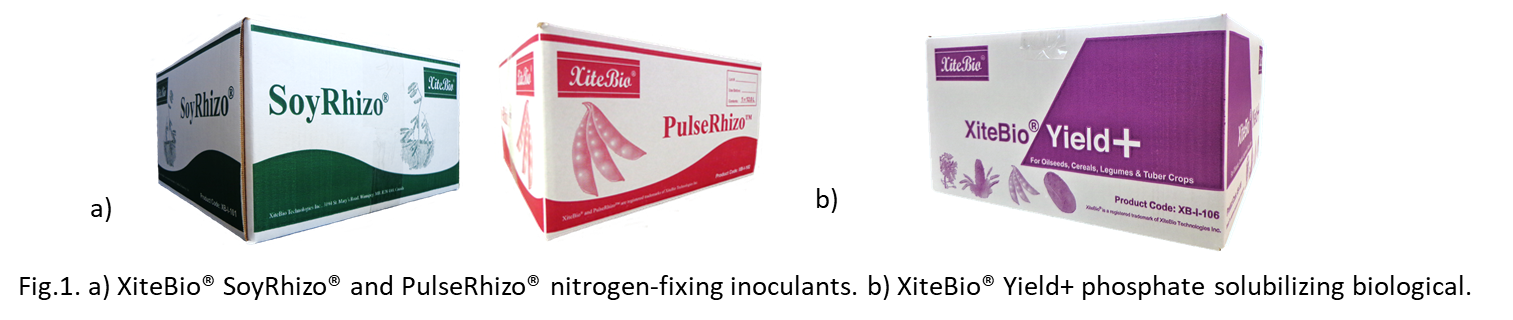
Any pulse or soybean grower will be familiar with bacterial inoculants: nitrogen (N)-fixing bacteria that make a symbiosis with your plant roots, form nodules and provide N to your crop. But N-fixing bacteria are not the only biological crop input out there, and legume crops are not the only ones who can benefit from these […]

Read More

Inoculating Winter Crops vs Spring Crops: What’s the Difference?

Many farmers are familiar with applying inoculants and biologicals on their spring crops. With the increased interest in fall-seeded crops like winter cereals and winter peas many farmers will be looking to use similar products during fall seeding. You don’t need a keen eye to notice crop acres look very different after autumn harvest than […]

Read More

Winter is Coming, Beware of the Fall Frost!

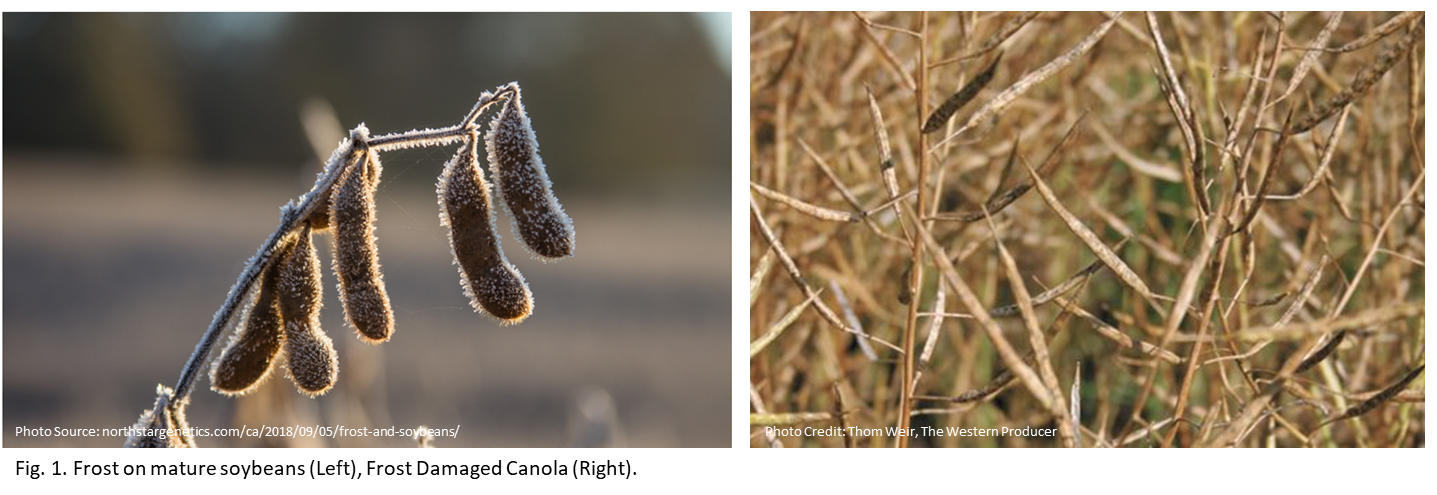
As the seasons start to change and harvest starts wrapping up, there is one thing prairie farmers dread: overnight frost. In this week’s edition of growing possibilities, we are going to look at how early fall frost can affect different crops at the end of the growing season and the soil microbes that help them […]

Read More

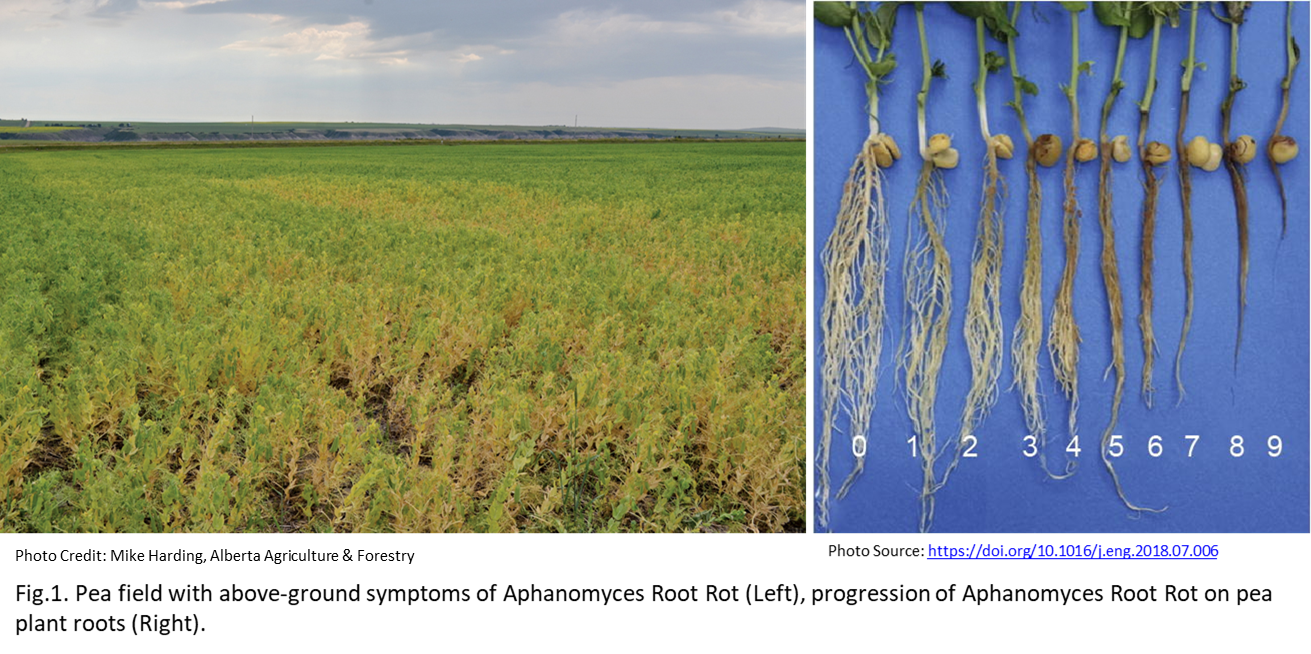
Aphanomyces Root Rot: What Does It Mean for Your Peas?

Now that harvest is coming to a close, many growers are reflecting on this year’s crop and thinking about what went well and what didn’t. If you noticed brown roots, yellow plants or a decrease in yield, Aphanomyces Root Rot (ARR) should be the first thing on your mind. ARR is one of the most […]

Read More

Plant Protein: Is It the New Frontier?

Use of plant protein is on the rise across North America. Protein derived from row crops such as soybeans, peas and cereals is showing up more and more in various food products. From protein supplements to veggie burgers, more people are diversifying the ways they obtain protein in their diet, and the plant protein industry […]

Read More

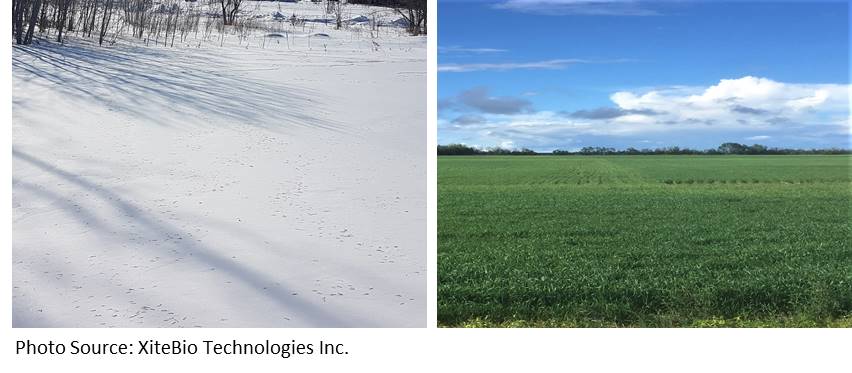
Biologicals & Winter Crops: Can Bacteria Survive the Cold?

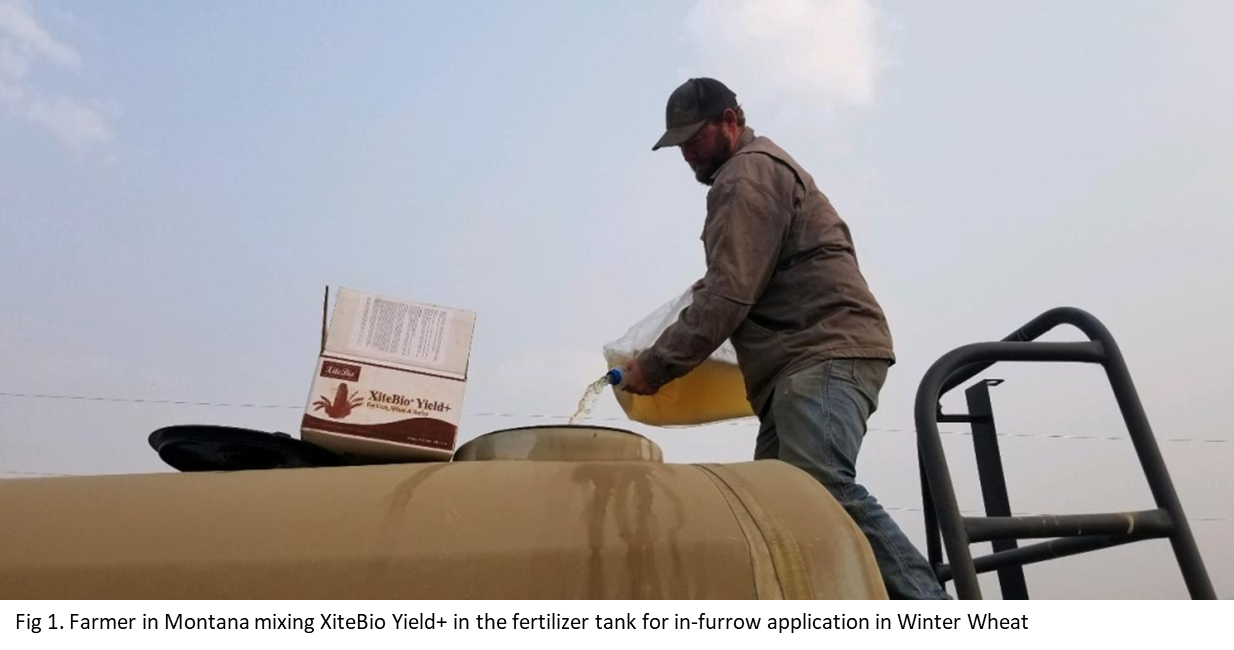
While many farmers have been busy logging long hours on the combine this fall, some have also started rolling out their planters.  Winter wheat & winter peas are examples of winter crops that are becoming increasingly attractive and profitable for producers. Improvements in seed genetics and agronomic practices have led to higher yields, but are […]

Read More

Plant-Available Phosphates: Unlocking Your Fertilizer’s Potential

Every farmer knows the importance of phosphorous (P) when growing any crop. Phosphate fertilizer is one of the first crop inputs you think about before the season starts, but there is much more to soil P than putting fertilizer on your acres every year. In this week’s edition of growing possibilities, we are going to […]

Read More

Submit your information to schedule a consultation with an XiteBio sales agronomist.

[wpforms id="27465"]