
fbpx

What Does PGPR Mean and How Do They Work?

What Does PGPR Mean and How Do They Work?

As Christmas draws near, growers are enjoying the time off to relax with family before planning for next year’s growing season. Some of you may ponder while drinking your hot cocoa and worry about your soil nutrient levels. You may also have heard about PGPR while considering your fertilizer options. So you may be wondering: […]

Read More

High Residual Nitrogen: Will My Legumes Nodulate?

With the snow on the ground and crops in the bins, farmers can finally kick their feet up and relax a little. Many of you have already applied fertilizers to your fields, through probably less than normal due to sky high prices and lots of residual nutrients left in the ground. So you may be […]

Read More

Phosphate Fertilizers: How Are They Made?

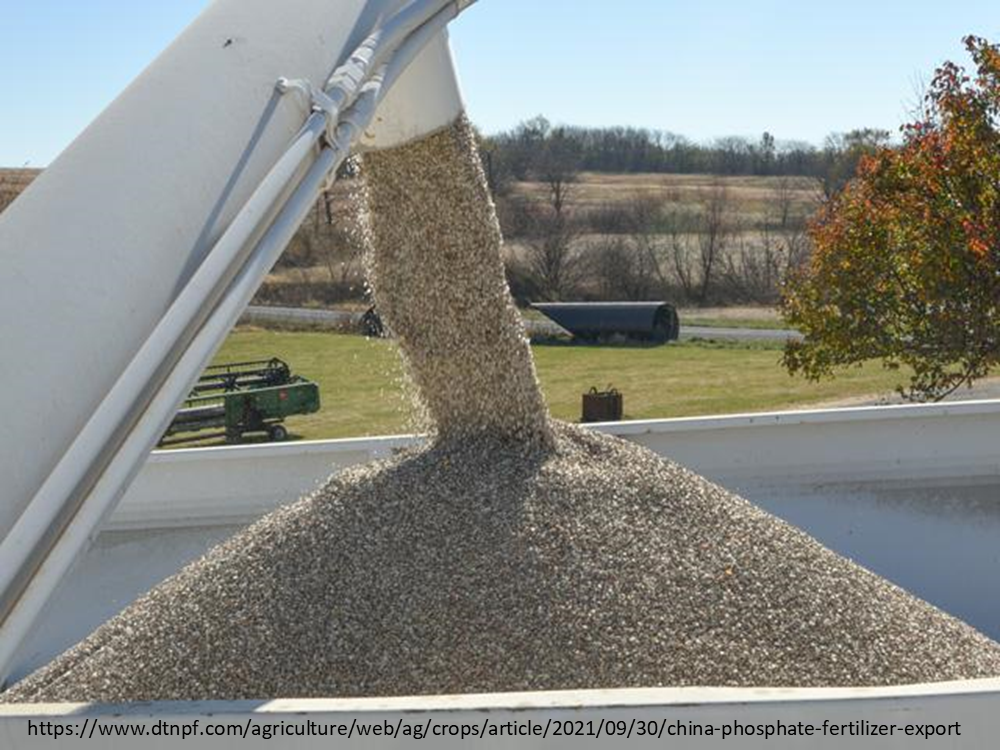
Every grower knows, phosphorus (P) is crucial for healthy plants and larger yields. But P fertilizer supply, especially this year is low and where it is available the prices are sky high. Part of the reason P fertilizers are becoming more expensive and less available is the fact that the majority of the P in […]

Read More

Nitrogen Fixation in Legumes: How Are the Nodules Formed?

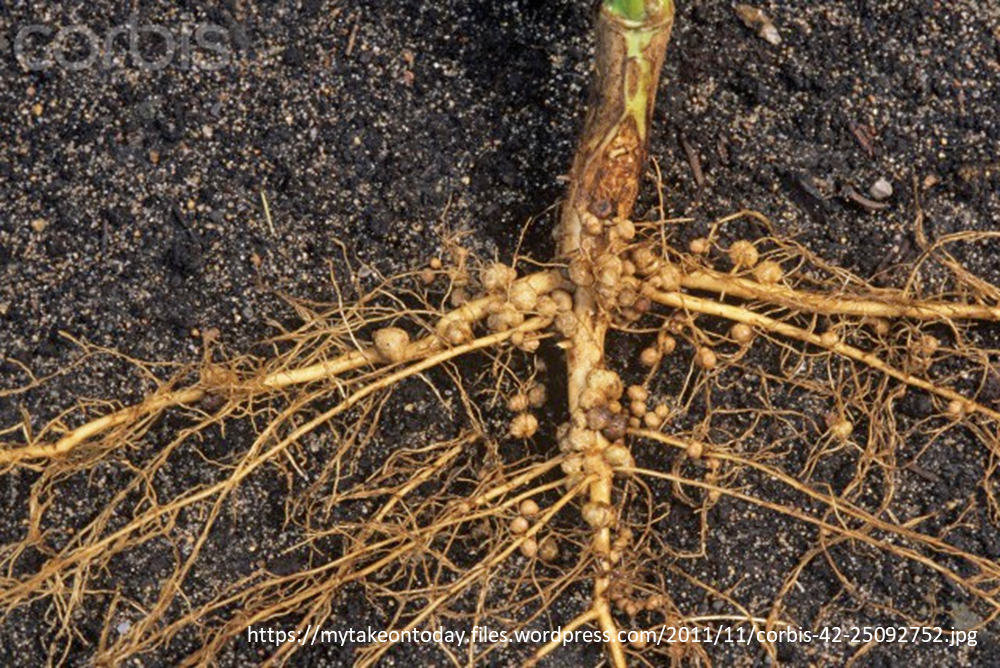
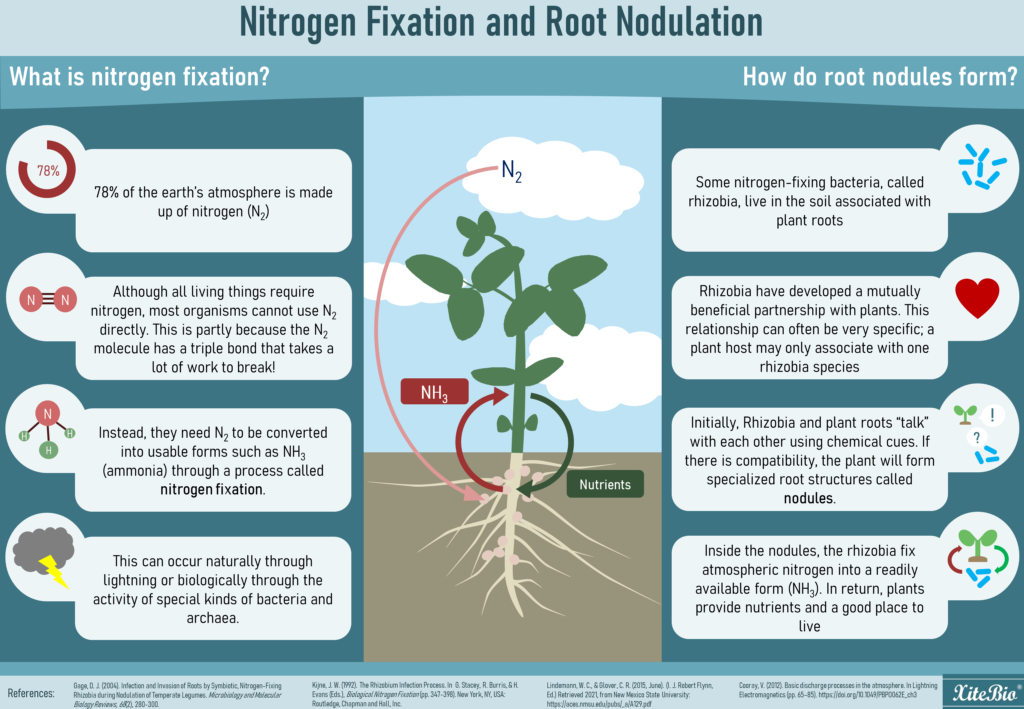
Nitrogen (N) is one of the major nutrients that all crops need and it is a very expensive nutrient to apply to your soil, especially this year. As many of you would know, plants under the legume category do not require as much N fertilizer since they can fix their own N from the air […]

Read More

Solubilizing Phosphates: How Do Bacteria Do It?

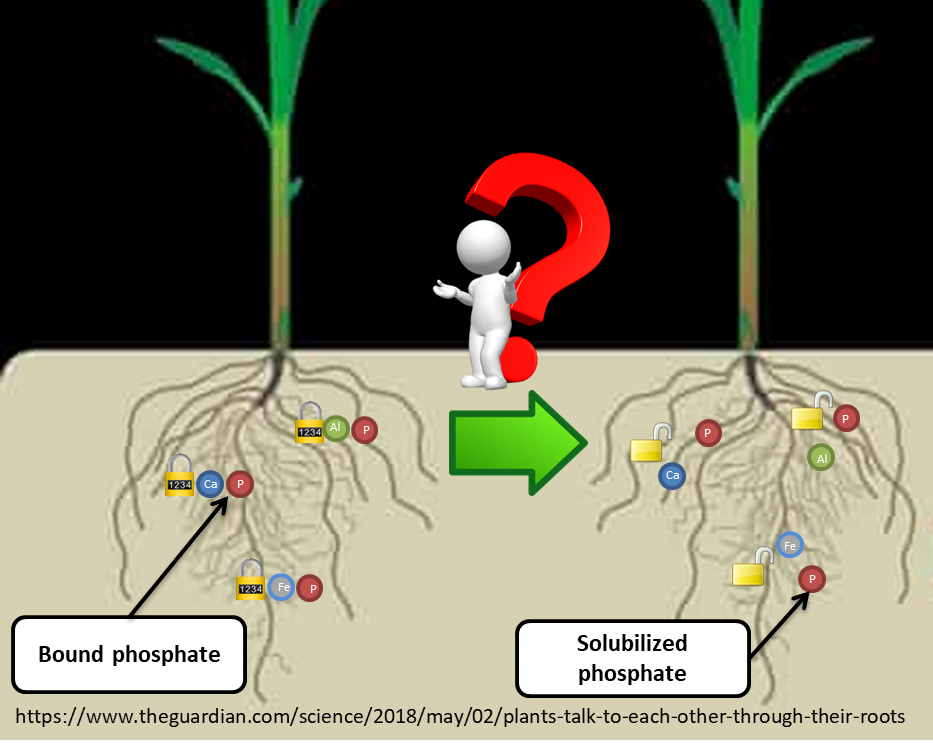
Now that the snow has begun to fall and working in the fields has come to a close, growers are thinking about what spring will bring. In particular, growers may be wondering if there will be enough available phosphorus (P) in the soil for their plants in the spring. Most growers know that P is […]

Read More

Nitrogen: Is Adding Fertilizer to Soil the Only Option?

Nitrogen (N) is the nutrient most heavily used by legumes. It is important that the plants have a readily available supply if they are to reach their yield potential. Soils on their own will rarely have N levels high enough to meet crop demands. So how do you ensure that your crops are getting enough […]

Read More

How Can You Increase Your P-Fertilizer Efficiency?

Just as they do every year, farmers are planning on applying phosphorous (P) fertilizer to their fields for next year’s crop either before or during seeding. All farmers in general are familiar with phosphate fertilizers and their importance to a healthy, high-yielding crop. But fertilizers are much more complicated than just applying it to your […]

Read More

Soil Testing – Why Should You Do It?

With harvest completed many farmers are planning next year’s crop. This often means planning crop rotations, seeing which seed treatments (if any) you’d like to apply, and determining what fertilizer applications you will be applying. Many of you have also been told that you should do some soil testing before planning next year’s crop. But […]

Read More

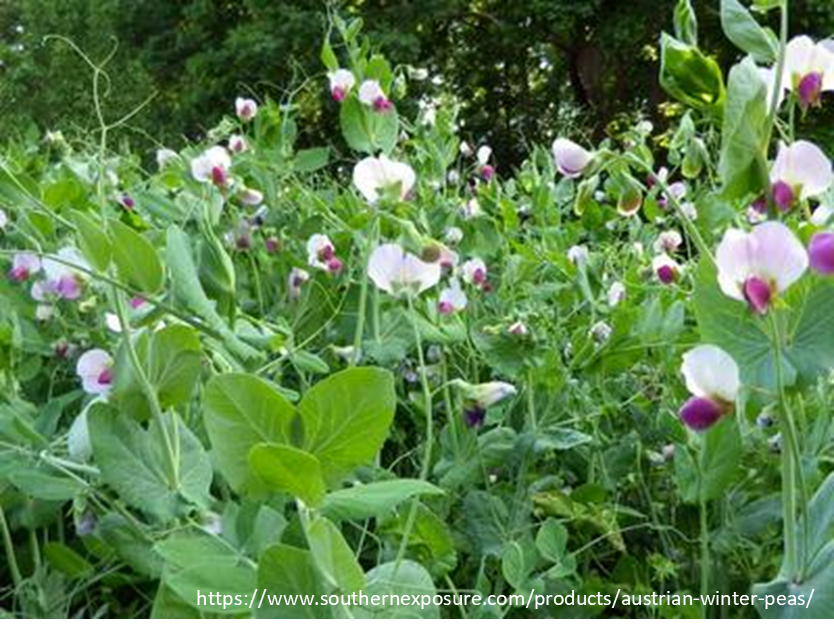
Can Growth Promoting Bacteria Survive the Winter?

While many farmers have logged long hours on the combine this fall, some are also starting to roll out their seed carts.  Winter wheat & winter peas are two examples of winter crops that are becoming more popular for producers since they are quite profitable. Improvements in seed genetics and agronomic practices have led to […]

Read More

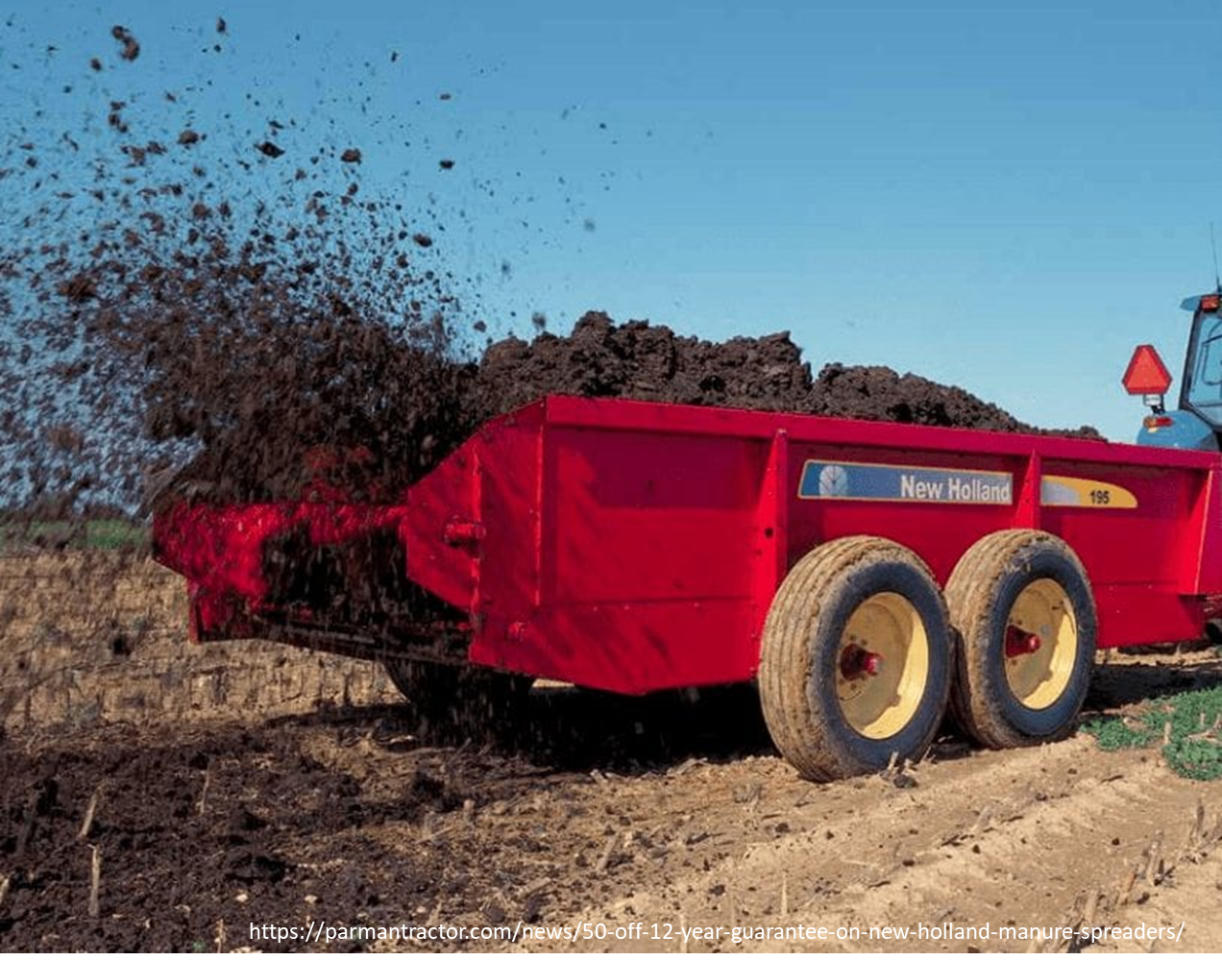
How Manure Application Affects Soil Microbes?

As the harvest season comes to a close and the weather begins to cool, many of you may be thinking of applying manure to your harvested fields. But you may be wondering is manure really beneficial to the soil microorganisms? In this week’s edition of Growing Possibilities, we will be looking into how application of […]

Read More

Submit your information to schedule a consultation with an XiteBio sales agronomist.

[wpforms id="27465"]