
fbpx

Are inoculants a last-minute buying decision?

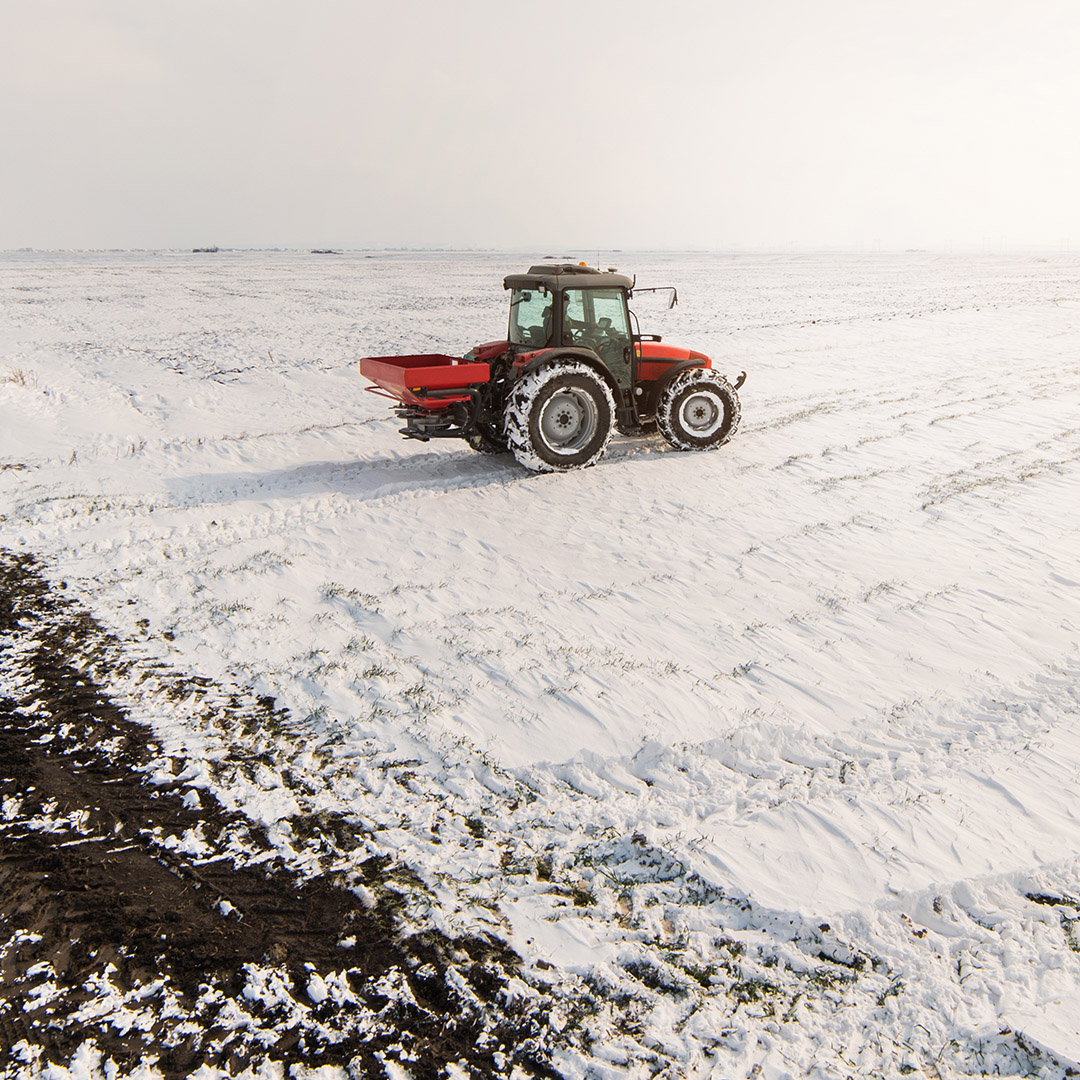
a flying clock and tractor with seeder

Are inoculants a last-minute buying decision?

Are you set for inoculants for the coming year? Many farmers seem to have stocked up on traditional fertilizers last fall, but some are holding off buying the crop inputs that may be the difference between average and high yielding crops. At XiteBio we see many farmers and ag-retailers are seizing on the opportunities presented […]

Read More
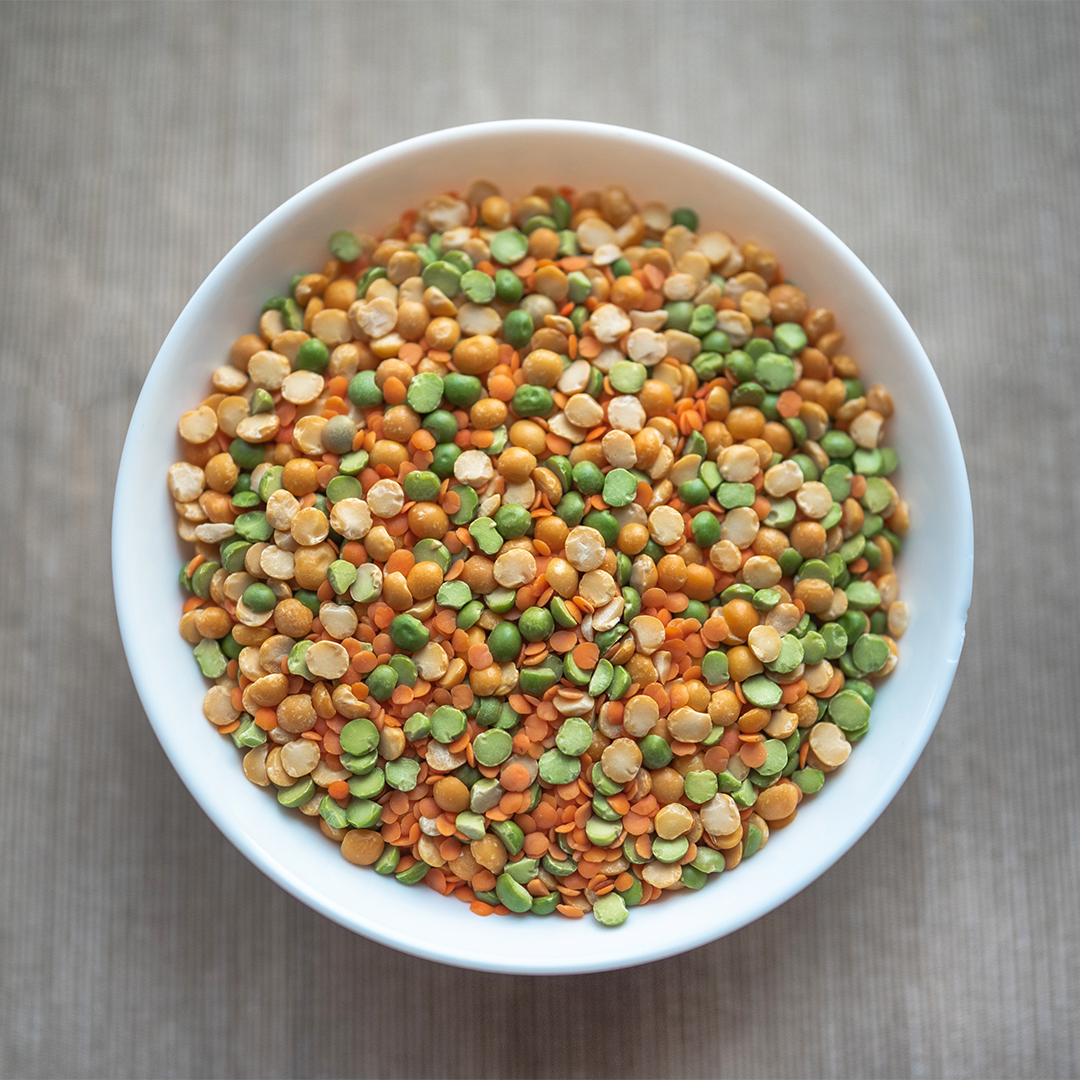
Bowl of dry peas and lentils

Pulses: To Grow or Not To Grow…

Pulse acres in Western Canada appear to be trending down this year. At XiteBio Technologies Inc. we are big supporters of the pulse crops like peas, lentils, faba beans, etc. So here are four reasons why, pulses are a good long-term bet for North American growers particularly northern prairie farmers: Enhanced soil fertility when used […]

Read More

The Dos and Don’ts of Storage and Handling of Rhizobial Inoculants

In these winter months, it’s important to take special care of ourselves to make sure we can continue to live and work normally. The same is true of inoculants. Keeping them at optimal conditions now, and throughout the year, will ensure they can achieve peak ROI the upcoming growing season. In this edition of Growing […]

Read More

Scientific matchmaking, the secrets of inoculant compatibility

Inoculants are living things, and these bacteria need certain conditions to survive. Dumping them into a tank of pesticide or starter fertilizer can be a pretty harsh environment (1). Luckily, modern inoculants (like those sold by XiteBio®) are technologically designed to contain hearty bacteria. They also come with their own user manuals called compatibility charts. […]

Read More
Hand holds soil containing overlay of nutrients and bacteria

Long-term Effects of Inoculant Use on Rhizospheric Health

Inoculants are the common name for commercial biotech products which contain bacteria that help provide agricultural crops with nitrogen (N) and phosphorus (P). Those of us that sell inoculants are quick to ask farmers to use them every year. But how do inoculants affect the rhizosphere (root zone) over time? In this edition of Growing […]

Read More

Do soil microbes hibernate?

In this week’s edition of Growing Possibilities, we look at how soil microbes survive the winter. Yes they can hibernate, in a microorganism sort of way. We also look at what effect (if any) tillage practices and crop residue have on overwintering soil microbes. Some soil microbes can survive extreme cold, with certain varieties persisting […]

Read More
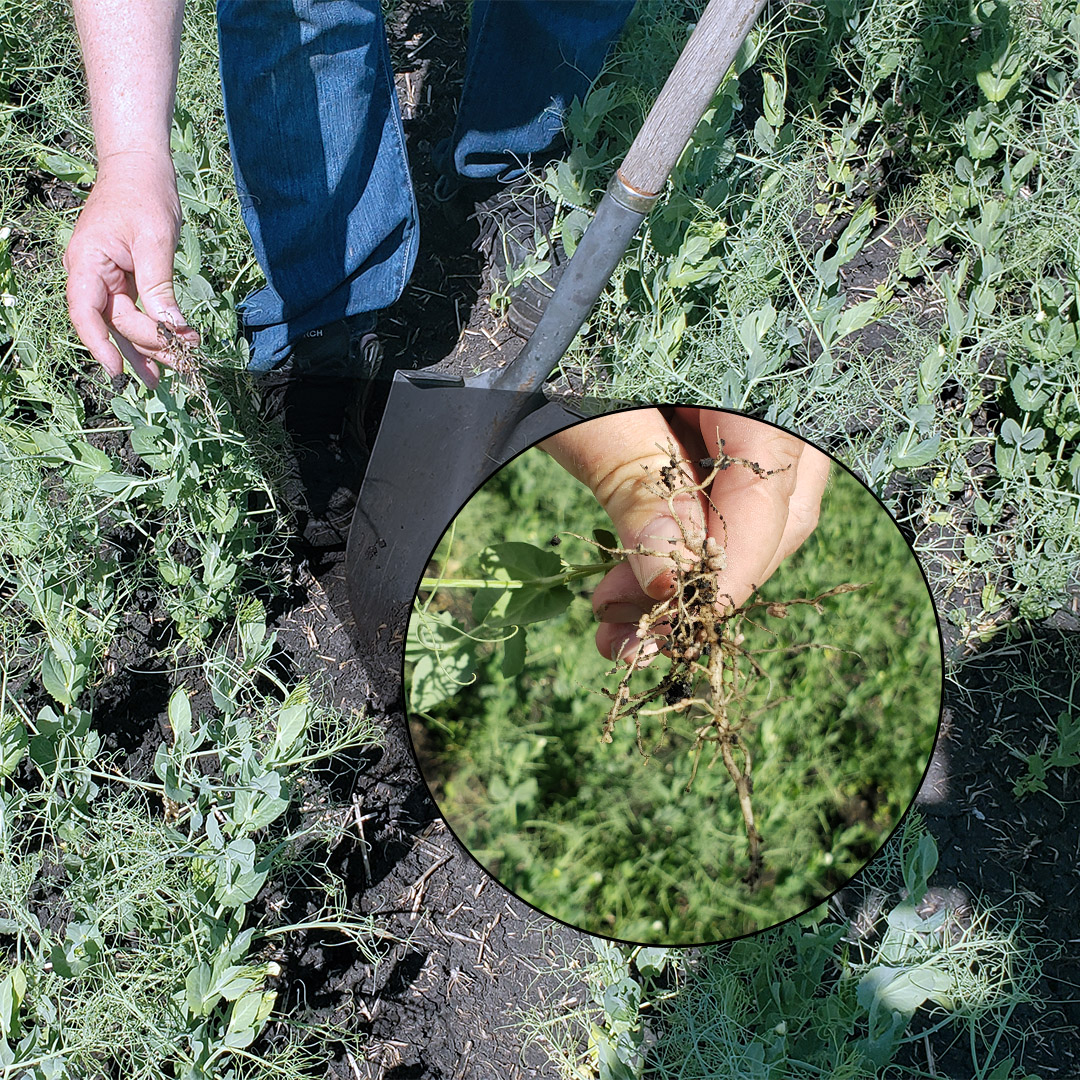
Pea Field with closeup of nodulated roots

Rhizobia and Legume Roots: Why Do They Bond?

Do bacteria have tastes and preferences? In this week’s edition of Growing Possibilities, we answer the question: Why do different legumes need different inoculants? While bacteria can’t make conscious decisions, like humans, they do experience biochemical attraction. Plants release compounds called flavonoids to attract rhizobia (bacteria) and provoke their root colonization. Flavonoids are like a […]

Read More

To Till, or Not to Till, That is the Question

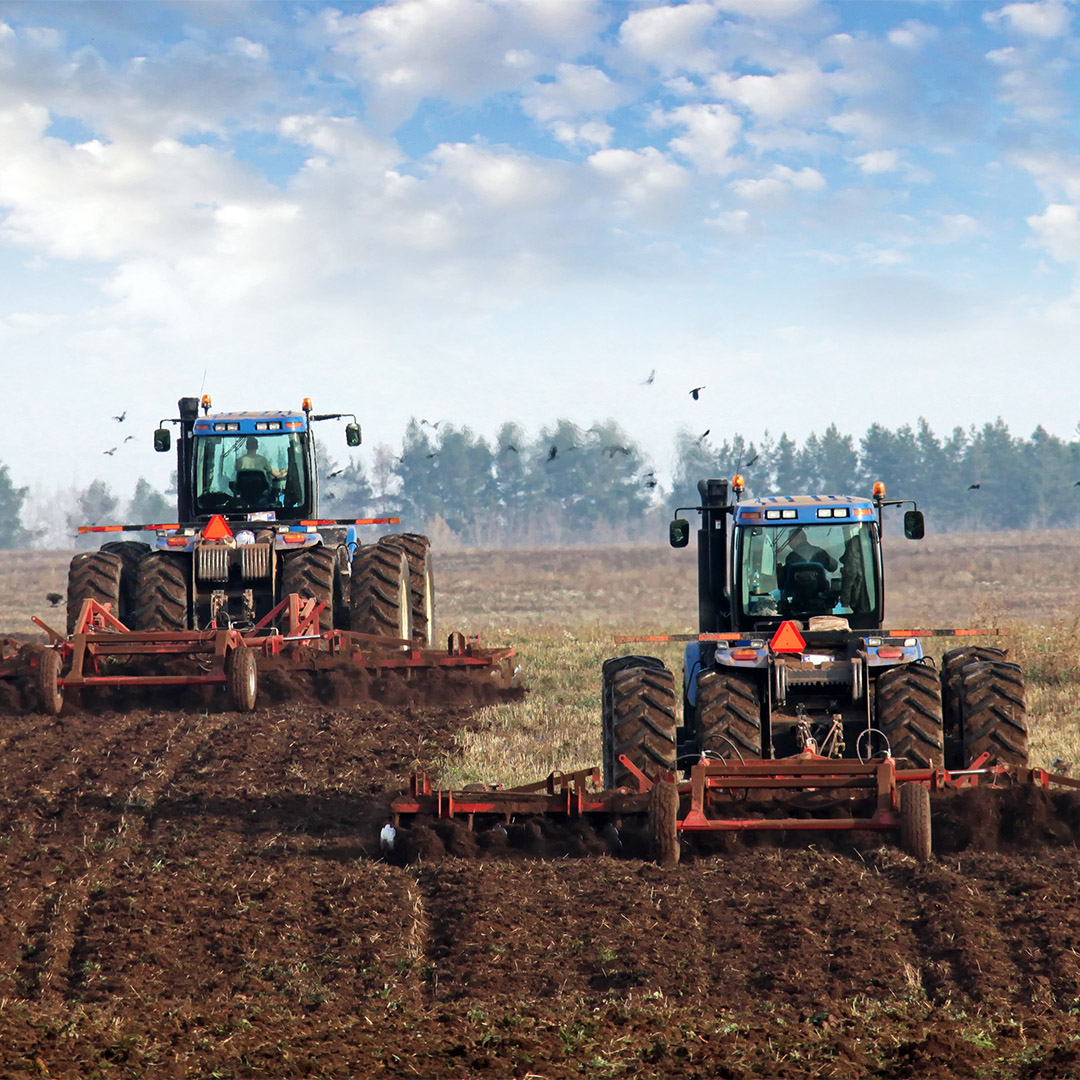
Fall is upon us, once crops come off the field farmers need to make informed decisions about what tillage method to use. In this week’s edition of Growing Possibilities, we ask: what is the effect of tillage on soil microbes? The short answer is that microbes tend to do better when the soil is left […]

Read More
Crop residue

When does crop residue become valuable?

As fall approaches, and harvest begins, farmers are already starting to think about next year’s fertilizer plan. Today’s farmers are choosing sustainable solutions like crop residue decomposition to maintain nutrient-rich soil. But when does crop residue have value? Crop residue becomes valuable when it is broken down through mechanical and chemical processes. Making it into […]

Read More
Soybean field with a vector art sign in the middle that says "Organic Farm"

Organic Farming: Is it worth it?

In this week’s edition of Growing Possibilities: Demand for organic food is on the rise, but as with many products in 2022, supply chain issues are leading to shortages, and shortages mean higher prices. Is increased organic demand enough to convince farmers that organic farming is worth it, or will it remain a niche market? […]

Read More

Submit your information to schedule a consultation with an XiteBio sales agronomist.

[wpforms id="27465"]