

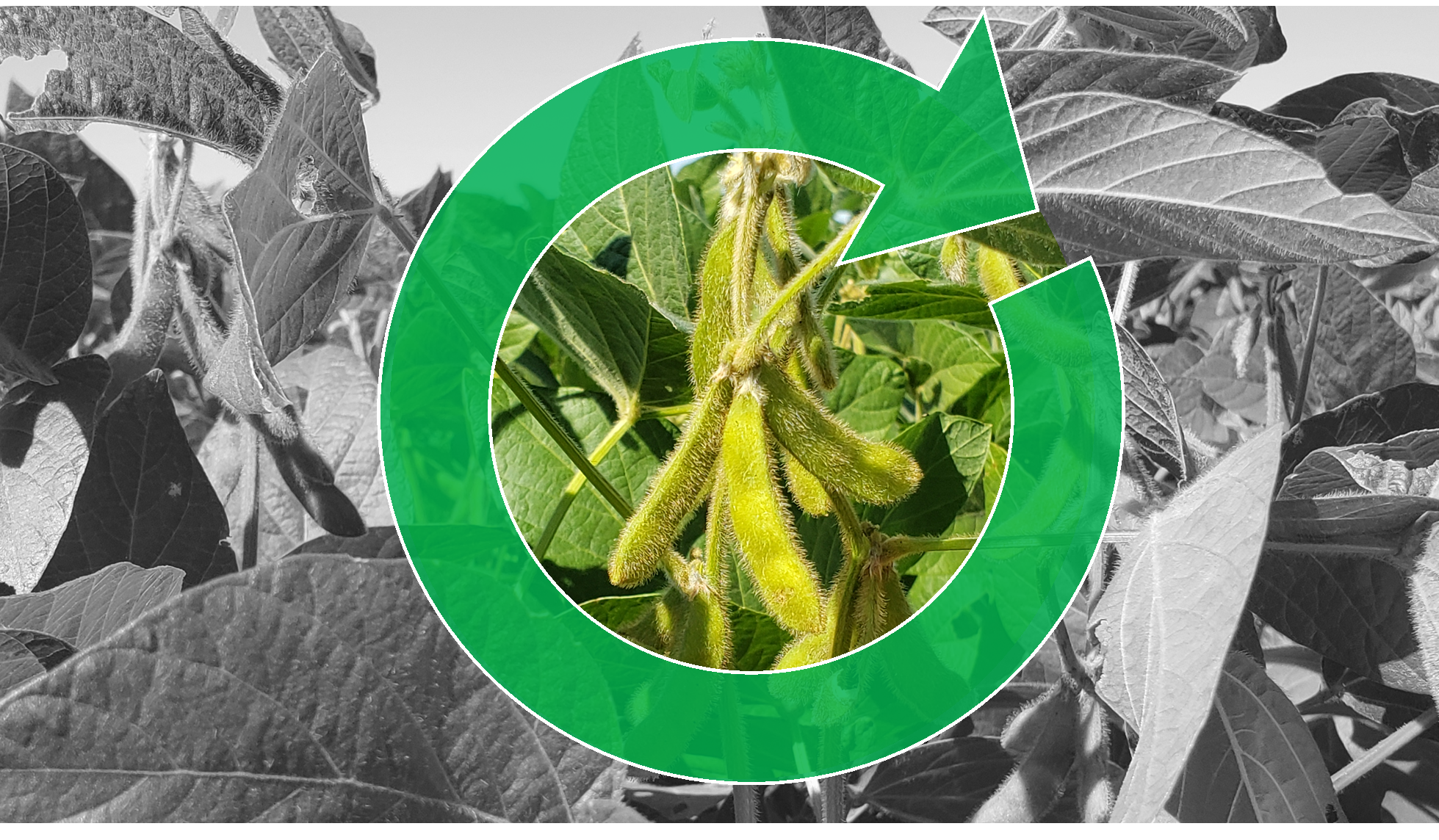
The term “sustainable agriculture” is a hot topic in recent years, with many growers and people in the crop input industry looking to increase the sustainability of farming operations across the globe. Sustainability is an important goal to strive for, but many people in the Ag community may be wondering what it means exactly, and how they can move toward these goals in their operations. In this week’s edition of Growing Possibilities, we will be discussing the goals of sustainable agriculture and how soil microbes can help you meet them on your farm.
To start, let’s define what sustainable agriculture refers to. Sustainable agriculture means adopting farming practices that minimize the use of non-renewable resources (such as mineral phosphorous), limiting practices that remove nutrients from the soil, and utilizing farming methods that promote overall soil health (1). Simply put, it is the adoption of agricultural practices that provide for present day needs without compromising the ability of future generations to meet their needs.
Agriculture plays an especially important role in sustaining our environment for years to come because it deals with the source of many important biological processes: the soil. Soil is the venue for ecological processes such as nutrient cycling, waste decomposition, nitrogen fixation, and many more (2). Many of these essential processes are carried out by some of nature’s smallest helpers: soil microbes.
Soil microbes, either directly or indirectly, can help your operation further its sustainability through the use of inoculants and other biological crop inputs. Products can utilize fungi and bacteria that have the ability to increase plant growth and productivity, promote nutrient uptake and effectiveness, and/or improve abiotic stress tolerance in crops (3). These include nitrogen (N) fixing bacteria, mycorrhizal fungi, phosphorus & potassium solubilizers, and sulfur oxidizers living in plant rhizospheres (2).
Soil microbes like this could have the potential to lower or in some cases even eliminate the need for additional fertilizers, depending on the nutrient in question. Compared to chemical and mineral inputs, biological crop inputs like bacteria and fungi do not accumulate over time, have a low toxicity, and are less prone to cause the development of resistant pests/pathogens (3). Because of this they are the perfect eco-friendly addition to your nutrient plan and can help you improve your crop while leaving your field in the same, if not better condition than when you began.
As further studies are conducted on symbiotic soil microbes and their host plants, more new species and modes of action will be discovered. As this research is conducted, we will also get a better look at the native microbe populations in different soils around the globe, leading to more effective biologicals that can be selected not only based on a microbes mode of action or a desired host plant, but also on the soil conditions and environmental factors that can mirror the microbes’ natural environments. Research in utilising species of N fixing bacteria for crops outside of the legume family, such as wheat and corn, is also being conducted (4). The creation of new biological products like these is a huge step forward not only for environmental sustainability, but also for the potential input costs for growers. Efforts to breed plants with traits that encourage symbiosis and cooperation with soil microbes is also being studied (4), which would further increase the effectiveness of sustainable microbe-based products.
References:
1) https://eco.ca/blog/what-is-sustainable-agriculture/
2) Sudheer, S., Bai, R.G., Usmani, Z., Sharma, M. Insights on Engineered Microbes in Sustainable Agriculture: Biotechnological Developments and Future Prospects. Current Genomics 2020; 21(5). https://doi.org/10.2174/1389202921999200603165934
3) Sangiorgio, D., Cellini, A., Donati, I., Pastore, C., Onofrietti, C., Spinelli F. Facing Climate Change: Application of Microbial Biostimulants to Mitigate Stress in Horticultural Crops. Agronomy. 2020; 10(6):794. https://doi.org/10.3390/agronomy10060794
4) Ray, P., Lakshmanan, V., Labbé, JL., Craven, KD. Microbe to Microbiome: A Paradigm Shift in the Application of Microorganisms for Sustainable Agriculture. Front. Microbiol. 2020; 11:622926. doi: 10.3389/fmicb.2020.622926